A lush garden filled with greenery and flowers is a common aspiration for many homeowners. However, after completion, some landscape projects may require more maintenance than expected, including frequent watering, regular pruning, pest and disease control, or replacing plants that fail to thrive. One of the common causes is the selection of plants that are unsuitable for the garden's actual conditions.
So, how can choosing the wrong plants affect garden maintenance, and how can you create a beautiful green space that is also easy to maintain?
1. Choosing Plants Unsuitable for Lighting Conditions
Different plant species have different light requirements. Some sun-loving plants need several hours of direct sunlight to grow well, while shade-loving plants may suffer from leaf scorch or reduced vitality when exposed to intense sunlight for extended periods.
When plants are placed in unsuitable lighting conditions, homeowners may need to move potted plants frequently, install additional shading, or replace plants that cannot adapt to the environment.
Solution: Assess the sun exposure, duration of sunlight, and degree of shading across the property before selecting plant species. Areas receiving abundant sunlight should prioritize sun-tolerant plants, while shaded or low-light areas should be planted with species that can adapt to partial shade or full shade.
2. Choosing Plants That Require Extensive Maintenance
Some plants have an attractive appearance but require careful and frequent maintenance, such as regular watering, periodic fertilization, pruning and shaping, or pest and disease control.
If homeowners do not have enough time to care for their gardens or cannot arrange regular maintenance staff, these plants may make garden upkeep more complicated and costly than expected.
Solution: Prioritize plant species that adapt well to local climatic conditions and have water and nutrient requirements that match the available maintenance resources. Combining low-maintenance plants with a few statement plants can help balance aesthetic appeal with the effort required for long-term upkeep.
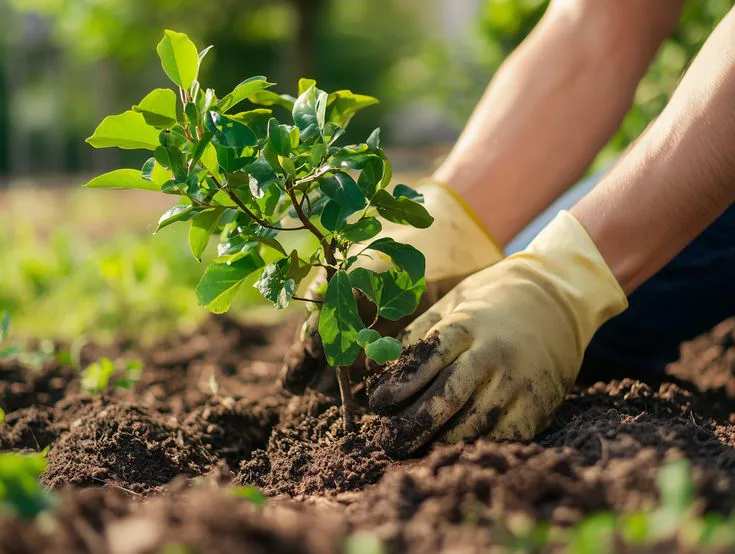
3. Failing to Consider the Mature Size of Plants
When first planted, many plants are compact in size and easy to arrange. However, as they grow, they may develop wider canopies, reach greater heights, or expand their root systems, potentially affecting surrounding areas.
Planting too densely or failing to anticipate the mature size of plants can make a garden look unbalanced and poorly ventilated. Homeowners may also need to prune, relocate, or replace plants frequently to keep the space under control.
Solution: Before arranging plants, it is important to understand their growth characteristics, mature height, canopy spread, and root development. Planting distances should be calculated based on the plants' mature dimensions rather than their initial appearance.
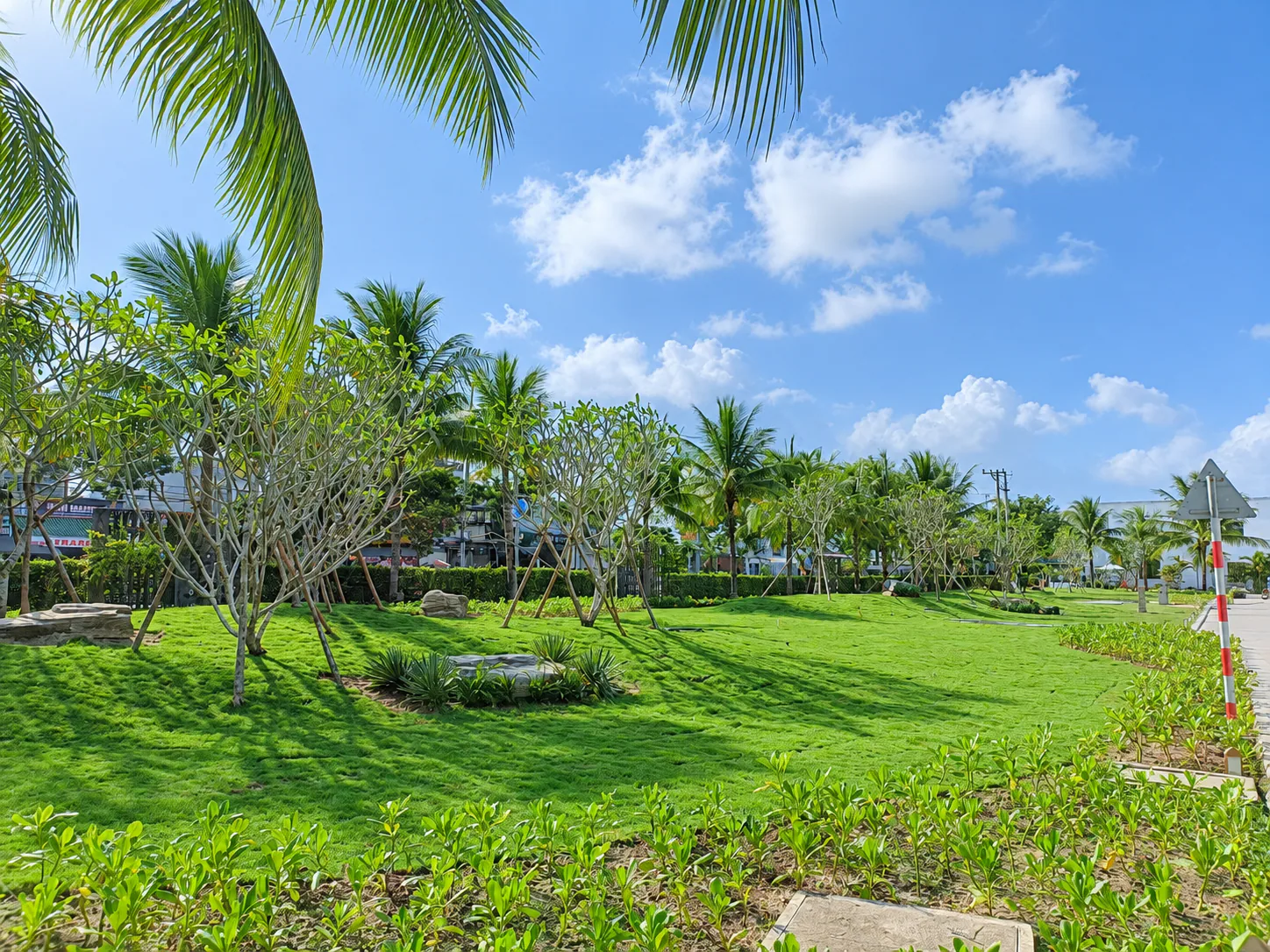
4. Choosing Plants Unsuitable for Soil and Climate Conditions
Soil type, moisture levels, drainage capacity, and climatic conditions directly affect plant health. Some species do not thrive in consistently waterlogged soil, while others require a more humid environment to grow well.
Without carefully assessing soil and environmental conditions, plants may develop yellowing leaves, root rot, stunted growth, or recurring pest and disease problems. These issues can increase the need for corrective treatments and maintenance costs.
Solution: Before planting, assess the soil characteristics, drainage capacity, temperature conditions, and rainfall patterns in the area. Depending on the site conditions, soil amendments, growing media, or more suitable plant species may be needed to create a favorable growing environment.
5. BGD Landscape – Solutions for Selecting the Right Plants for Every Project
An easy-to-maintain garden does not necessarily mean using only plants that require minimal maintenance. More importantly, plants should be selected and arranged based on their growth characteristics, environmental conditions, architectural style, and the homeowner’s needs.
With more than 12 years of experience in landscape consulting, design, construction, and maintenance, BGD Landscape places great emphasis on assessing existing site conditions before proposing suitable planting solutions for each project.
This process focuses on:
Assessing natural conditions: Evaluating sunlight exposure, soil conditions, water sources, and drainage capacity.
Selecting plant species: Considering growth characteristics, adaptability, and maintenance requirements.
Planning the landscape layout: Determining plant layers, planting density, and appropriate spacing to suit the available space.
Planning maintenance requirements: Developing suitable maintenance solutions based on the project's operational conditions and budget.
By combining practical experience with technical solutions, BGD Landscape aims to create green spaces that are not only beautiful upon completion but also capable of growing steadily, maintaining their aesthetic value, and reducing long-term maintenance efforts.
Contact BGD Landscape:
Address: 88 Tung Thien Vuong Street, Ngu Hanh Son District, Da Nang, Vietnam
Hotline: 0777 148 777
Email: bgdlandscape.vn@gmail.com
Website: BGD Landscape