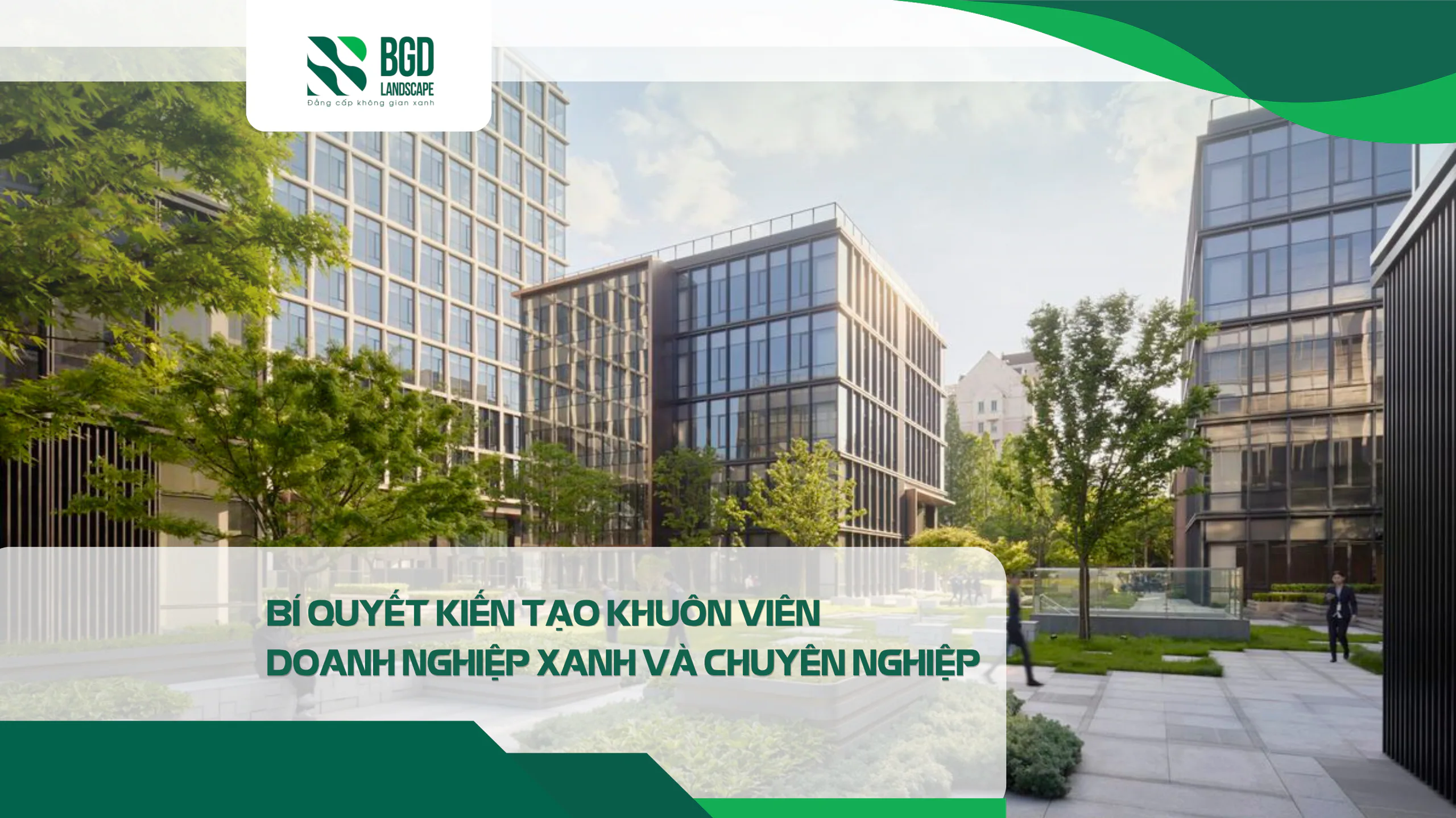
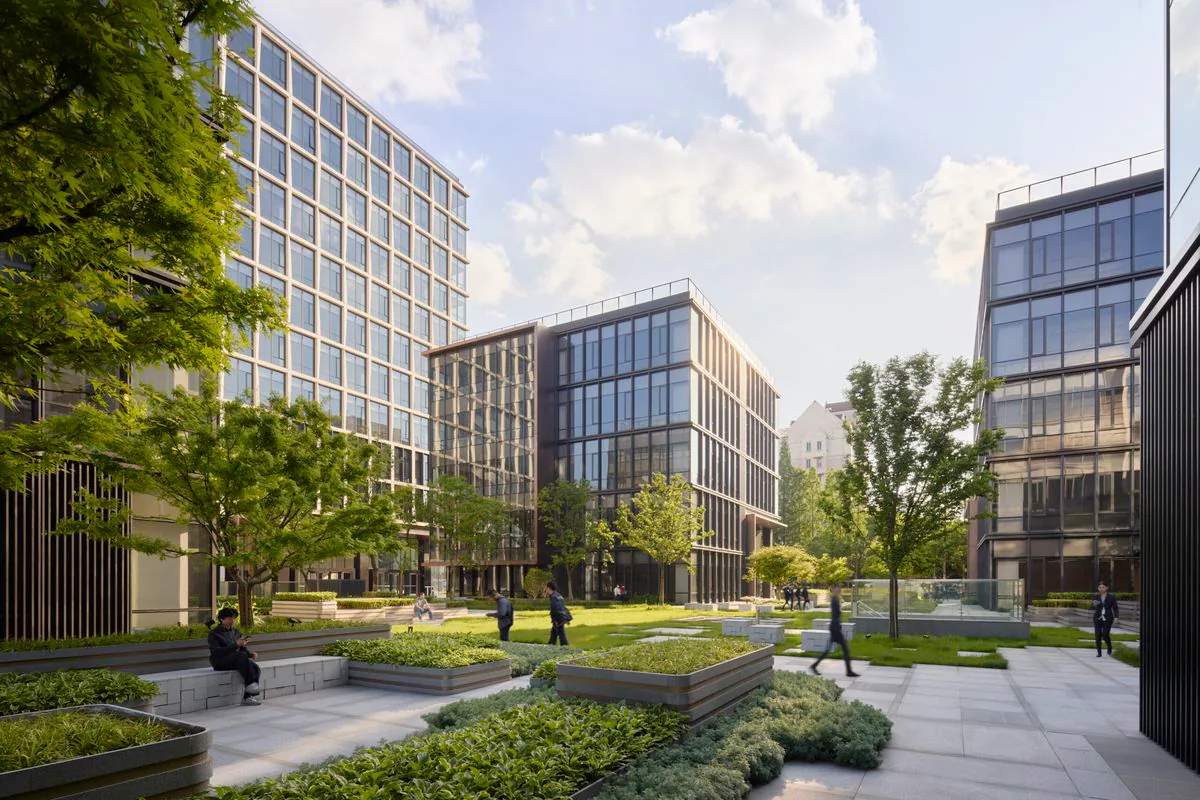
A corporate campus is more than just the outdoor space surrounding a business. It also helps reflect the company's brand image, corporate culture, and working environment. A well-planned landscape can create a positive impression on customers and business partners while providing employees with a green, open, and comfortable environment.
So, what are the key factors to consider when developing a landscaping solution for a corporate campus?
1. Plan the Landscape According to the Company's Characteristics
Every business has its own scale, architectural style, and spatial requirements. Therefore, landscape planning should begin with an assessment of the existing site, including its area, functional zones, and overall design direction.
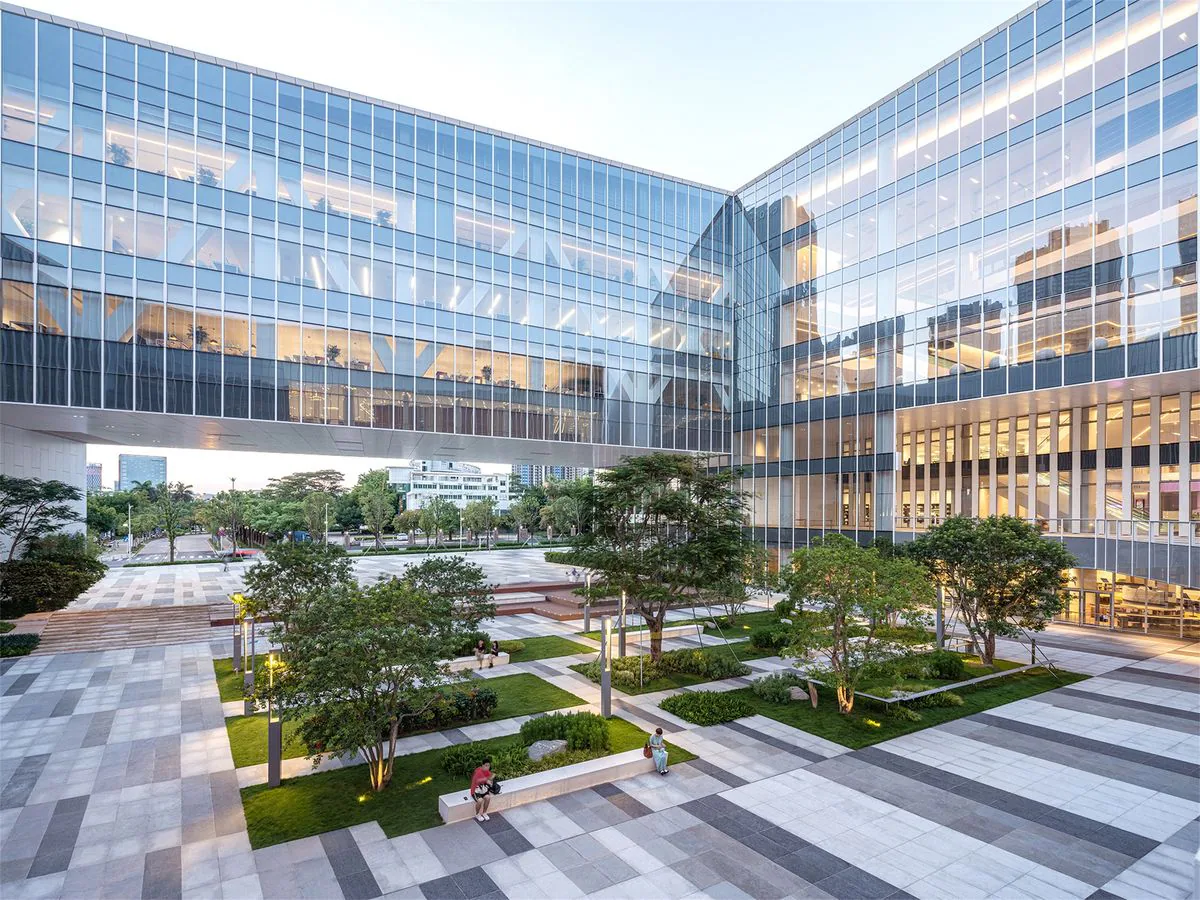
Areas such as entrances, reception spaces, internal courtyards, parking lots, and relaxation areas should be arranged appropriately to ensure a seamless connection between the architecture and the landscape. This allows the corporate campus to achieve both aesthetic appeal and practical functionality.
2. Select Plants Suitable for the Site Conditions
Greenery is an essential element in shaping the overall appearance of a corporate campus. However, plant selection should not be based solely on visual appeal.
Factors such as lighting conditions, climate, soil characteristics, available growing space, and maintenance requirements should all be taken into consideration. In areas with frequent pedestrian traffic, priority should be given to plant species with suitable growth characteristics that do not obstruct visibility or compromise safety.
A harmonious combination of shade trees, shrubs, lawns, and accent plants can add depth to the landscape while maintaining visual balance.
3. Integrate Appropriate Technical Solutions into Landscape Construction
A beautiful green corporate campus depends not only on good design but also on the implementation of appropriate technical solutions.
The irrigation system should be carefully calculated based on the water requirements of different plant groups and actual site conditions. In addition, drainage solutions, planting bed structures, growing media selection, and ground preparation should all be thoroughly considered.
In particular, for areas with high pedestrian traffic or planting areas built over concrete slabs, factors such as load-bearing capacity, waterproofing, and drainage must be inspected and calculated in accordance with the project's technical requirements.
4. Optimize Long-Term Operating and Maintenance Costs
Corporate landscaping should be planned not only for the completion stage but also for the entire period of use.
Selecting suitable plant species, arranging appropriate planting densities, and designing an efficient irrigation system can help reduce maintenance workloads. At the same time, establishing a regular maintenance schedule for pruning, fertilizing, pest and disease control, and technical system inspections will help maintain landscape quality.
These measures also enable businesses to manage their long-term operating costs more effectively.
5. BGD Landscape – Creating Premium Landscaping Solutions for Businesses
With a comprehensive approach to landscaping, covering consultation, design, construction, and maintenance, BGD Landscape focuses on ensuring harmony between architecture, functionality, and the actual conditions of each project.
Through on-site surveys and assessments, BGD aims to develop landscaping solutions that meet practical needs, optimize investment resources, and ensure long-term sustainability.
Because a high-quality corporate campus not only creates a professional image but also contributes to building a green, harmonious, and sustainable working environment.
BGD LANDSCAPE – Understanding Every Project, Creating Lasting Value.
📍 Address: 88 Tung Thien Vuong, Ngu Hanh Son, Da Nang
☎️ Hotline: 0777 148 777
✉️ Email: bgdlandscape.vn@gmail.com