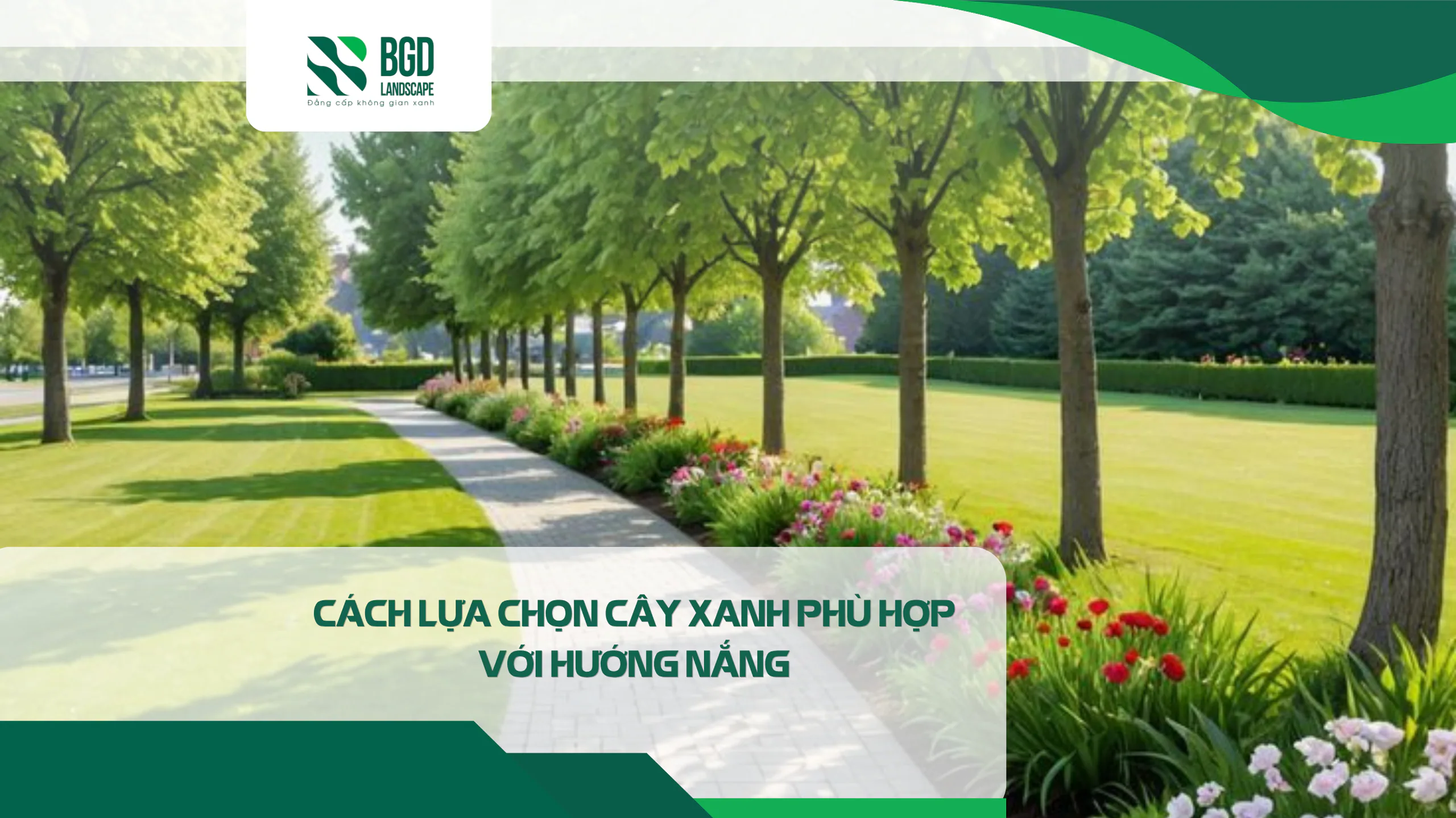
1. Why Is It Important to Choose Plants Based on Sunlight Exposure?
Each plant has its own light requirements. Some plants thrive when exposed to direct sunlight for several hours a day, while others may suffer from leaf scorch, dehydration, or poor growth if placed in areas with intense sunlight.
Conversely, sun-loving plants grown in areas with insufficient light may become leggy, develop sparse foliage, and lose their natural shape. Therefore, identifying the sun exposure and the duration of sunlight in each area is an essential step before selecting plant species.
2. How to Choose Plants for Different Sunlight Directions
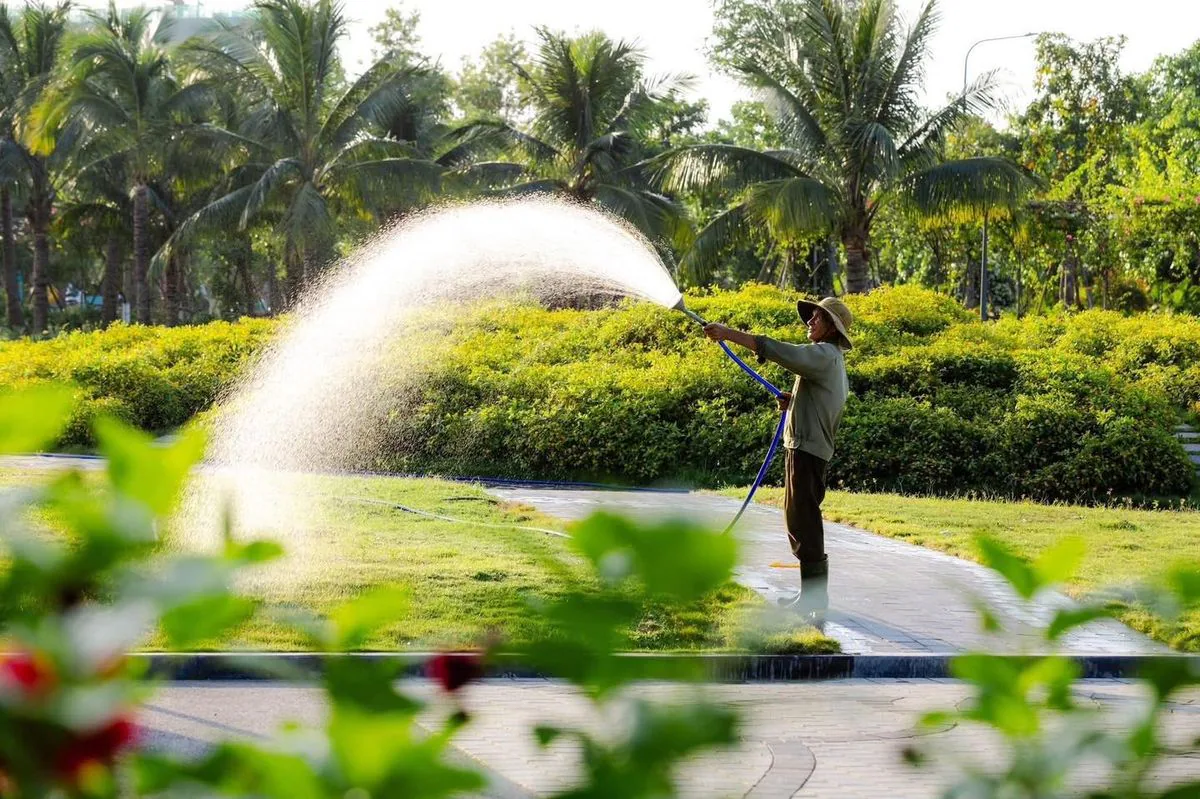
East-facing Areas – Morning Sunlight
East-facing areas typically receive sunlight in the morning, when its intensity is relatively mild. Depending on the actual duration of sun exposure, these conditions are suitable for many sun-loving or partial-sun plants.
Suitable options may include orange jasmine, bougainvillea, and certain sun-loving shrubs. Areas that receive shade in the afternoon can also accommodate plants that adapt well to moderate light conditions.
West-facing Areas – Intense Afternoon Sunlight
West-facing areas are often exposed to direct afternoon sunlight, which can lead to higher surface temperatures and increased water evaporation. Therefore, it is advisable to prioritize sun-tolerant plants that can adapt to hot and dry conditions.
Some options to consider include bougainvillea, frangipani, ornamental palms, and other sun-tolerant shrubs. Shade trees or additional shading solutions can also be incorporated to reduce the impact of intense afternoon sunlight.
South-facing Areas – Relatively Consistent Light Conditions
Depending on the geographical location and characteristics of the project, south-facing areas may receive relatively consistent sunlight. Plant selection should be based on actual sunlight duration, ventilation, and soil conditions.
Shrubs, flowering plants, and medium-canopy trees can be considered to create a diverse landscape. Planting density should also be carefully calculated to ensure sufficient growing space.
North-facing Areas – Limited Direct Sunlight
North-facing areas, particularly those shaded by surrounding structures, often receive limited direct sunlight. Shade-tolerant plants or species that thrive in indirect light are recommended.
Options may include pothos, peace lilies, ferns, and certain foliage plants suited to the actual site conditions. Adequate ventilation and drainage should also be ensured to prevent prolonged moisture retention.
3. Important Factors to Consider When Arranging Plants
Sunlight direction is only one of the factors to consider when selecting plants. To ensure stable and healthy growth, several other aspects should also be evaluated:
Sunlight Duration: Determine how many hours of direct sunlight each area receives daily.
Level of Shade: Walls, eaves, nearby buildings, and tree canopies can all affect light conditions.
Soil and Water Conditions: Ensure that the growing medium, drainage, and watering schedule are suitable for each plant species.
Growing Space: Consider the plants' mature size, planting density, and spacing to prevent competition for sunlight.
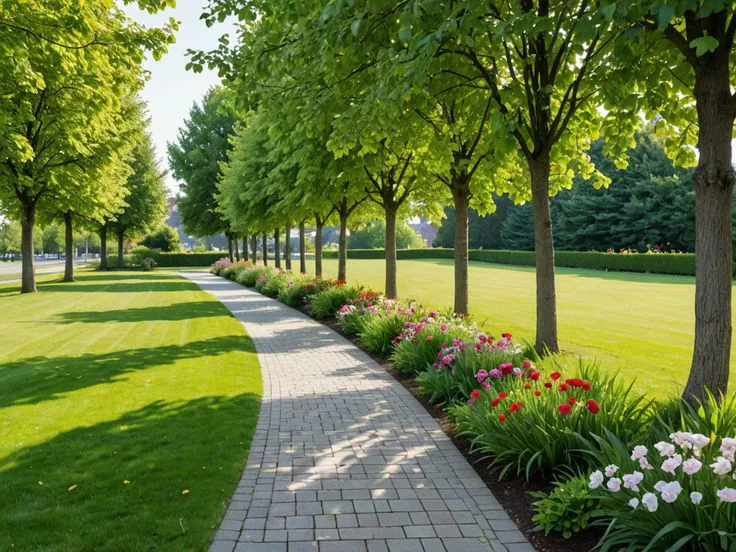
4. BGD Landscape – Providing Plant Selection Solutions for Every Project
At BGD Landscape, plant selection is based not only on aesthetic considerations but also on the actual conditions of each project, including sunlight exposure, climate, soil characteristics, functionality, and maintenance requirements.
Through on-site assessments and consultation, BGD aims to develop suitable planting arrangements that complement the architecture and support healthy, stable plant growth over time.
Because a beautiful landscape is not simply about choosing the right plants, but also about placing them in the right locations and creating the ideal conditions for their growth.
📍 Address: 88 Tung Thien Vuong, Ngu Hanh Son, Da Nang
☎️ Hotline: 0777 148 777
✉️ Email: bgdlandscape.vn@gmail.com